Okay, so check this out—getting started on OKX feels straightforward until it isn’t. I remember fumbling through my first verification upload and thinking, huh, why’d that selfie get rejected? My instinct said “keep it simple,” but the platform likes its paperwork neat. This piece walks through what you should expect with verification, how futures work on OKX, and practical trading habits that keep your capital safer while you learn. No fluff. Just the kind of stuff a trader wishes they’d known earlier.
Verification is the gate. Without it you can still browse, but deposits, higher withdrawal limits, and regulated product access often require KYC. For most US users this means submitting an ID, a selfie, and sometimes proof of address. The common pitfalls are small: poor lighting, cropped document edges, or mismatched names. If something gets rejected, take a breath, re-scan under daylight, and upload a clear, full-frame image.
For quick access, if you need to log in or re-check the portal, use the official okx sign in. Only use official channels—phishing links are everywhere, and they look convincing. Seriously, double-check the URL before you type anything sensitive.
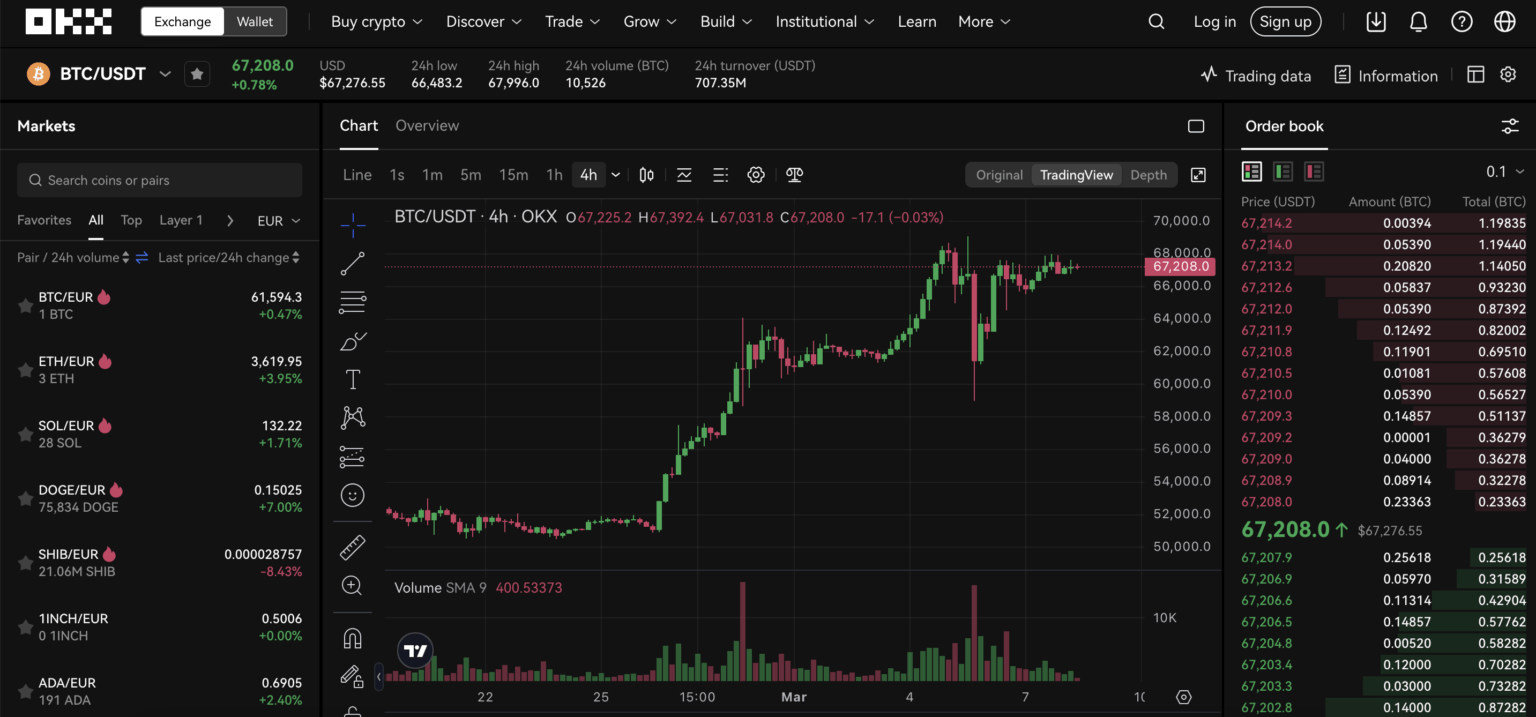
Verification: Practical Tips and Expectations
Expect verification to vary by region and account activity. In the US, additional checks can happen if you’re trading derivatives or large volumes. Document tips: keep your ID unexpired, show all four corners, and avoid glare. For proof of address, a recent utility bill or bank statement usually works. If your name changed recently, you may need supplemental docs (that’s a hassle—plan ahead).
Turnaround times range from near-instant to a few days. If it stalls longer, contact support with your case ID. Keep copies of uploads so you can re-send them if needed. And one more thing—enable two-factor authentication before you enable withdrawals. It’s a tiny step that prevents a world of regret.
OKX Futures: Basics and Risk Management
Futures and perpetual contracts let you trade price moves without holding the underlying asset. They amplify opportunity and risk. Leverage is the multiplier—2x, 5x, 10x, sometimes more—so a small move can wipe a position fast. My rule of thumb: start with low leverage until you consistently beat the spread and funding costs. Yep, those costs matter more than you think when you trade frequently.
Know the difference between isolated and cross margin. Isolated limits risk to a single position. Cross margin uses available balance to prevent liquidation across positions, which sounds safer but can put your entire margin at risk if one trade blows up. Use position sizing—size = risk per trade / stop distance—to keep losses predictable.
Liquidations are harsh and sudden. Use stop-loss orders, and consider reducing leverage around major events. Funding rates on perpetuals can reward or charge you depending on market tilt; factor that into holding costs. Also, check how OKX handles settlement and margin calls—procedures differ platform to platform.
Trading on OKX: Orders, Fees, and Strategy
Order types matter. Market orders are quick but can suffer slippage in volatile markets. Limit orders control price but may not fill. Use OCO (one-cancels-the-other) or conditional orders to manage entry and exit automatically, so you don’t stare at charts all night. For active strategies, be mindful of taker/maker fees and VIP tiers that can reduce costs as volume grows.
Start with a plan: what’s the edge? News trading, range scalping, mean reversion—pick one and measure results. Keep a simple journal: entry, size, stop, outcome, and a quick note on why you took the trade. You’ll learn faster when you stop guessing. Paper trading or small live sizes let you test ideas without a costly education bill.
Security and Operational Best Practices
Security is non-negotiable. Use a hardware key or an authenticator app for 2FA. Avoid SMS 2FA when possible—SIM swap attacks are a real headache. Set withdrawal whitelists, and limit API permissions strictly if you connect bots. Keep software updated and use a password manager for unique, strong passwords.
Consider splitting funds: keep long-term holdings in cold storage and only move what you need for trading to the exchange. That separation reduces stress and exposure. Also, enable account activity alerts so you get notifications for logins, withdrawals, and unusual behavior.
Liquidity, Funding, and Cash Management
Liquidity affects execution—big orders move markets. If you plan to trade large sizes, test liquidity with small orders or use OTC desks. Cash management is simple: don’t overcommit margin. Maintain a reserve for margin calls and add collateral before major economic events to avoid forced liquidations.
Understand the funding mechanism on perpetuals and how it can flip your P&L over long horizons. When rates are consistently against your position, you’re paying to hold the trade, and that compounds losses over time. Re-evaluate positions periodically—don’t get emotionally attached.
Common Questions
How long does OKX verification take?
It varies: immediate in some cases, but usually a few hours to a couple of days. Complex cases or additional KYC steps can take longer. Upload clear documents to speed things up.
Can US users trade futures on OKX?
Availability depends on local regulations and your verification level. US rules can limit certain derivatives; check OKX terms for your state. If futures are available, ensure you understand leverage, margin requirements, and liquidation mechanics.
What’s the safest way to store crypto while trading?
Keep active trading funds on the exchange and move long-term holdings to cold wallets (hardware wallets). Use withdrawal whitelists and strong 2FA on the exchange. Treat custody as a separation of roles: trader vs. custodian.